Walk into any supply house and the contrast is immediate. On one shelf, you’ll see compact PEX crimp tools, handheld drain augers, and trim-friendly tube cutters. Another aisle holds pipe threaders heavy enough to bruise a tailgate, inspection cameras that cost more than a used hatchback, and drain machines that need a cart of their own. Both aisles are plumbing, but they serve different realities. Residential plumbing tools live in crawl spaces, closets, and behind vanity doors. Commercial plumbing tools earn their keep in mechanical rooms, on rooftops, and under slab at a scale that punishes anything less than industrial.
I’ve worked jobs where I repaired a leaking 3/8-inch fridge line in a bungalow’s kitchen, then the next day ran a 4-inch welded steel line to a commercial boiler plant. The skills overlap. The tools, not always. Knowing how residential plumbing tools compare to their commercial counterparts helps you stock the right kit, bid accurately, and choose where to spend on durability versus portability. It also keeps you honest about what a tool can handle before you find out the expensive way.
What changes from house to high-rise
On the surface, water is water and pipe is pipe. In practice, three variables drive the tool divide: scale, material, and duty cycle.
Scale shows up in pipe diameter, fixture count, and run length. A house might have a 1-inch cold water main with 40 to 60 pounds of pressure. A hospital can carry multiple 4-inch mains, redundant loops, booster pumps, and hundreds of fixtures across zones. The difference pushes you from hand tools to powered machines, and from compact cutters to tripod threaders.
Material follows the codes and the building’s purpose. In homes, you’ll see PEX, copper, CPVC, and occasionally galvanized or black iron on older systems or for gas. Commercial properties introduce stainless, schedule 80 PVC, cast iron with no-hub couplings, CTS copper in large diameters, and specialized materials for chemicals or high temperature. Tools for copper crimping don’t help when you’re welding stainless or threading 2-inch black iron for a rooftop RTU.
Duty cycle is the quiet factor that wrecks a budget. A residential plumber might use a hand-held drain machine twice a week. A commercial service tech might run a jetter every day for months. The same torque motor that survives a remodel can burn out in a mall on Thanksgiving weekend. This is why commercial plumbing tools look and feel overbuilt. They are.
Cutting and preparation: trim-friendly versus ironworker
Cutting is where the gap shows early. Residential plumbers lean on compact, easy-to-control cutters. A close-quarters copper cutter that fits one hand and a small oscillating multi-tool gets you clean cuts in cabinet spaces without scarring the finish. You can carry a ratcheting PVC cutter for 1/2-inch to 1-1/4-inch pipe that slices square with minimal deburring. Battery-powered mini bandsaws have become popular because they ride the line between speed and safety in tight attic framing.
Commercial crews often cut material that will punish small gears. For 2- to 4-inch schedule 40 steel, a full-size portable band saw or a chop saw with an abrasive or carbide blade is standard. For cast iron, you’ll see chain-style snap cutters that crack soil pipe cleanly at sizes up to 6 inches. Core drills appear once you’re moving through slab or walls for sleeves. The drilling rigs matter more than the core bits; anchoring, cooling, and capturing slurry are part of the tool system. If you’re running pipe hangers in concrete, a cordless SDS Max rotary hammer with dust extraction becomes a daily driver, while a residential tech might get by with an SDS Plus for occasional anchors.
Deburring and prep also scale. In homes, a forged reamer on the cutter or a quick spin with a hand reamer is enough. On larger pipe, you need powered reamers and chamfering tools, otherwise the joint will fight you and gaskets will suffer.
From experience: a mini cutter that thrives on 1/2-inch copper can leave you cursing on 1-1/4-inch Type L in a commercial kitchen ceiling. The tool is fine, the application is not. When pipe walls thicken, your tolerance for flex and play disappears. Stable stands and fixed jaws stop mistakes before they cost you hours.
Joining systems: push, press, sweat, thread, weld
Joining is where both markets have softened the edges with modern systems, yet the old methods remain for specific reasons.
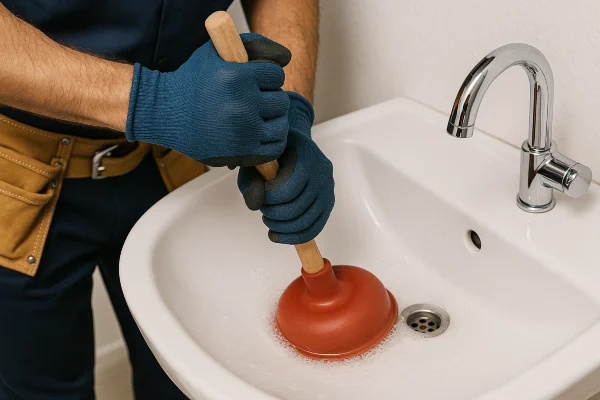
Residential plumbing tools now include press systems for copper and stainless at smaller diameters. A 12-volt press tool with jaw sets up to 1 or 1-1/4 inches lets a plumber build a clean manifold without pulling a torch. PEX dominates new tract construction for speed and cost. Crimp, clamp, and expansion tools all have their fan bases. A handheld expander or a simple crimp tool solves most needs, and the learning curve is short. For copper, a dependable torch, hand brushes, flux, and solder still belong in the truck because repair work runs on versatility.
Commercial toolkits add scale and certification. Press tools step up to larger platforms with 18- or 20-volt power and jaws for 2- to 4-inch copper or stainless. The price climbs sharply, but so does the labor saved, especially when hot work permits slow torch work. For black iron gas lines or hydronic piping, powered threaders on a tripod stand earn their space. You can rent them, though frequent use justifies the investment. Welding enters once you’re in plant rooms or specialty lines. Welding gear is its own discipline with training and inspection that a residential plumber rarely needs.
Push-to-connect fittings arrived as rescue tools and became mainstream in homes. They shine for emergency repairs, temporary caps, or tight-access conversions. In commercial settings, inspectors often limit their use to specific circumstances. A mechanical room with constant vibration and temperature swings may not be kind to a budget push fitting. Knowing where your local jurisdiction draws the line saves headaches.
One subtle difference is the tolerances you must hit. Residential runs allow minor deviations as long as the fixtures land where they should and code clearances are met. In commercial work, seismic bracing, alignment with other trades, and drain slope over long runs raises the standard. Tools that can square, level, and hold alignment, like sturdy pipe stands, levels with fine graduations, and laser levels rated for distance, move from nice-to-have to mandatory.
Drain cleaning: from hair clogs to mainline madness
A drain auger that fits in a backpack solves nine out of ten calls in a typical home. Handheld drum machines with 25 to 50 feet of cable clear kitchen sinks and laundry lines. When a main backs up, a mid-size machine with a 3/8 or 1/2-inch cable usually does the trick if the house has accessible cleanouts and the line isn’t crushed or invaded by mature roots.
Commercial properties turn those odds upside down. Grocery stores, restaurants, and schools generate grease, lint, paper, and the kind of foreign objects that make you question human judgment. A mainline machine with 100 to 200 feet of 5/8 or 3/4-inch cable is minimum gear. Jetters, both cart and trailer mounted, enter the picture. Once grease builds into a hardened collar, mechanical cutters struggle; superheated water at 3,000 to 4,000 PSI with the right nozzle profile will restore full pipe diameter. That jetter needs backflow protection, water supply logistics, and trained hands to avoid damage.
Inspection cameras straddle both worlds. In homes, a 100-foot camera with a 17-millimeter head, a sonde for locating, and basic recording covers most calls. On commercial jobs, you add push cameras with stiffer rods for long straight runs, larger heads to survive cast iron, and locator compatibility that works through slab at depth. The quality of the screen and the ability to capture and send video matters more when a facilities manager needs documentation before approving the repair.
If you want one rule of thumb: in residential, speed and careful handling of finishes matter most; in commercial, thoroughness and documented results keep you paid.
Testing and verification: pressure, flow, and compliance
A pressure gauge on a hose bib tells you plenty in a house. You might add a manometer for gas, pressure test plugs for DWV stacks, and a few test caps. Thermal imaging can find hidden leaks behind drywall and spot radiant floor loops.
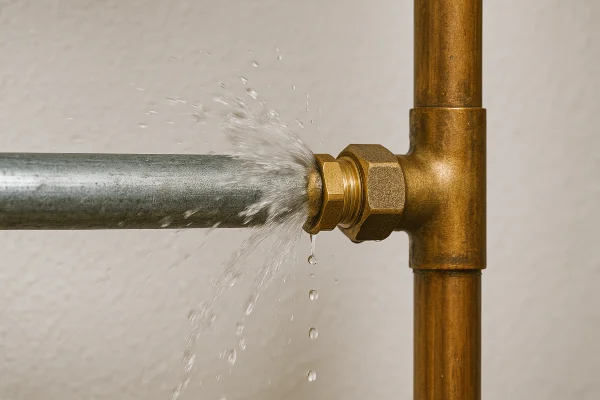
Commercial buildings add layers. Backflow test kits become core tools because almost every significant property has assemblies that require annual testing by certified technicians. Digital manometers with fine resolution are useful for testing gas lines over long runs with very low pressure drops. For hydronic loops, differential pressure gauges and smart pumps that report flow readings are common, and you need the tools to read and verify those values. Data logging is not a luxury. Facilities teams want reports, not just a thumbs-up.
Commissioning large systems often means synchronizing with controls contractors and mechanical engineers. Your tools need calibration certificates in some cases, and your process needs to withstand an audit. A residential plumber seldom gets asked for instrument calibration documentation, but once you step into commercial, that request becomes normal.
Power and portability: batteries versus cord
Cordless has eaten the residential world. A plumber can run a full day on a pair of 4 or 5 amp-hour packs with a compact press tool, hammer drill, oscillating multi-tool, and light. The convenience pays for itself when you avoid extension cords through a finished hallway.
On commercial sites, cordless still rules for many tasks, yet corded and pneumatic tools retain a foothold. Core drills and large threaders pull more power than a typical battery can deliver reliably for extended periods. SDS Max hammers can drain packs in an hour under heavy loads. Many crews carry both platforms and select based on task duration and access to power. Where power is unreliable or restricted, a generator becomes part of your kit, and that changes what you can carry, where you can work, and even your safety plan.
Durability shows up in batteries too. Commercial jobs punish tool housings with constant travel through gang boxes and gang chargers. Packs live on and off rapid chargers all day. Brand ecosystems matter: if your crew owns 30 packs from one platform, a specialty commercial tool that sits on a different system doubles your logistics. Sometimes it’s still worth it when the tool performance is unmatched.
Safety and ergonomics: the hidden specs
Residential plumbing tools are designed to be handled in tight quarters and near finishes. That is why you see non-marring jaws, compact motors, and accessories like right-angle drill attachments. They protect the space and the worker’s shoulders. You’re on a ladder under a vanity more often than you’re on a scissor lift.
Commercial tools focus on stability, torque control, and compliance with site rules. A chain vise on a stand, foot switch controls on drain machines, and guards that can take a knock without shattering are not optional. Even a simple pipe cutter scales in risk. A 4-inch cutter with sloppy handles is a hand injury waiting to happen. Weight distribution and handle location matter when a tool lives on a cart and gets moved a dozen times a day.
Personal protective equipment changes too. In a home, boot covers and drop cloths stop complaints. On a commercial job, high-vis, hard hats, eye and ear protection, and often hot work permits are standard. Your tools either help you comply or fight you. A press system that eliminates flame can knock an hour off a hot work process and reduce fire watch costs. That makes its price tag easier to swallow.
Costs, ownership, and the rental line
A residential plumber can kit out a capable, professional setup with an investment that pays back quickly. A thousand dollars for press jaws, a few hundred for crimp tools and cutters, a mid-tier inspection camera, and a compact drain machine, and you’re ready for a wide range of calls. The math works because the ticket sizes are modest and frequent.
Commercial plumbing tools stretch the budget. A top-tier press tool for 2- to 4-inch work can run into the several thousands, and that’s before you add jaw sets. A power threader with stands and oilers, a serious jetter, or a core drill rig will each sit in the four-figure bracket, sometimes five once you include accessories. Owning makes sense for contractors who will keep these tools booked. Otherwise, renting is a sane approach, especially when maintenance, storage, and calibration are considered.
I keep a list that divides tools into own, rent, and borrow from a friendly shop. Some items slide categories as your work mix changes. If you land a contract with a hotel for annual backflow testing, that kit moves from rent to own. If your commercial drain calls drop off, the trailer jetter goes back to rental. Pride of ownership is a fine thing, but unused tools corrode their way into the lost column on your balance sheet.
Crossover gear that earns a spot in any truck
Certain tools transcend the residential versus commercial divide. An accurate torpedo level with strong magnets matters when you’re dropping a stub through a plate or aligning a 4-inch riser. A dependable inspection camera saves guesswork, even if you upgrade to a higher-end model for longer runs. A quality press tool, matched to the diameters you actually install, is a force multiplier. Laser distance meters speed estimates and material takeoffs in both worlds.
A wet-dry vacuum with a squeegee head seems humble, yet it turns a messy repair into a minimal disruption. In high-end homes, that protects finishes and relationships. In commercial spaces, it gets you back online faster, which is the only metric a facilities manager cares about during a leak.
And then there’s the simple stuff: sharp pencils, paint pens for marking pipe, and clean rags. Fancy tools help, but clean workmanship sells the job.
Training and the human factor
Tools are multipliers, not magicians. A residential plumber who moves into commercial work without training on threaders, rigging, and safe use of core drills will lose time and risk injury. The reverse is true as well. A commercial tech can do damage in a million-dollar kitchen if they treat marble like concrete or fire up a drain machine without protecting cabinets and finishes.
Manufacturer classes help you squeeze value out of press tools, camera systems, and threaders. Short certifications for backflow testing or medical gas installation change your tool needs and your bidding power. Shadowing an experienced plumber for a week on a type of work you want to pursue is worth more than any brochure.
I’ve seen apprentices fight a stubborn press fitting, swearing the tool is weak, when the real problem was a nicked O-ring or a copper burr. The lesson sticks when you open the fitting and show the scar. The right tool only works as intended when the hands running it understand why the steps matter.
Choosing the right tool for the job mix
Most shops live somewhere in the middle. You might run service calls in homes during the week and swing a small tenant improvement on weekends. Your goal is a kit that covers 80 percent of your calls without weighing you down or draining cash.
A practical approach is to map your last fifty jobs by type and note the tools that would have saved an hour or more on each. Patterns will emerge. If your list shows frequent copper repairs in tight spaces, a compact press tool with 1/2 to 1-inch jaws will pay back quickly. If you see repeated mainline clogs at restaurants, renting a jetter for a month and tracking income versus cost tells you whether to buy.
Don’t neglect the soft costs. Batteries, blades, oils, and calibration eat margins quietly. Assign a small percentage of each relevant invoice to tool upkeep, and you won’t feel the sting when it’s time to replace a worn cable or send a gauge for calibration.
Real job snapshots
A classic residential call: second-floor hall bath with a slow drain and a drip at the tub spout. The tools that matter are a handheld drum auger with a 1/4-inch cable, a compact inspection camera to confirm the clog went past the trap, a trim-friendly wrench set, and a small torch or press tool for a copper spout drop if it needs attention. The biggest risk isn’t the pipe, it’s the finish around it. Tape off chrome, use drop cloths, and avoid scarring.
A straightforward commercial call: bakery with a floor drain backing up two hours before opening. A 3/8 or 1/2-inch cable won’t clear baked-on dough downstream. You roll in with a cart jetter, set up water, protect nearby equipment with plastic sheeting, and run a penetrating nozzle to the main. If the line clears, you camera the run to confirm the obstruction is gone and document the condition. The tools did the hard work, but the cleanup and documentation built trust.
A light industrial job: swap a leaking 2-inch black iron hydronic branch. You need a pipe stand, a powered threader, cutting oil, reamers, and no-hub couplings for a temporary bypass if the system can’t go offline. A residential-level cutter or die stock won’t hold tolerance on threads that size without wearing you out. The right threader does the job in an hour, and the joint seals on the first try.
Where small tools outshine big ones
There’s a place where residential plumbing tools beat their commercial cousins: finesse. A compact right-angle drill with a self-feed bit sneaks a hole through a stud bay without bursting through tile on the far side. A small PEX clamp tool fits between joists without opening a ceiling. A micro camera head inspects a shower trap through the overflow without pulling trim.
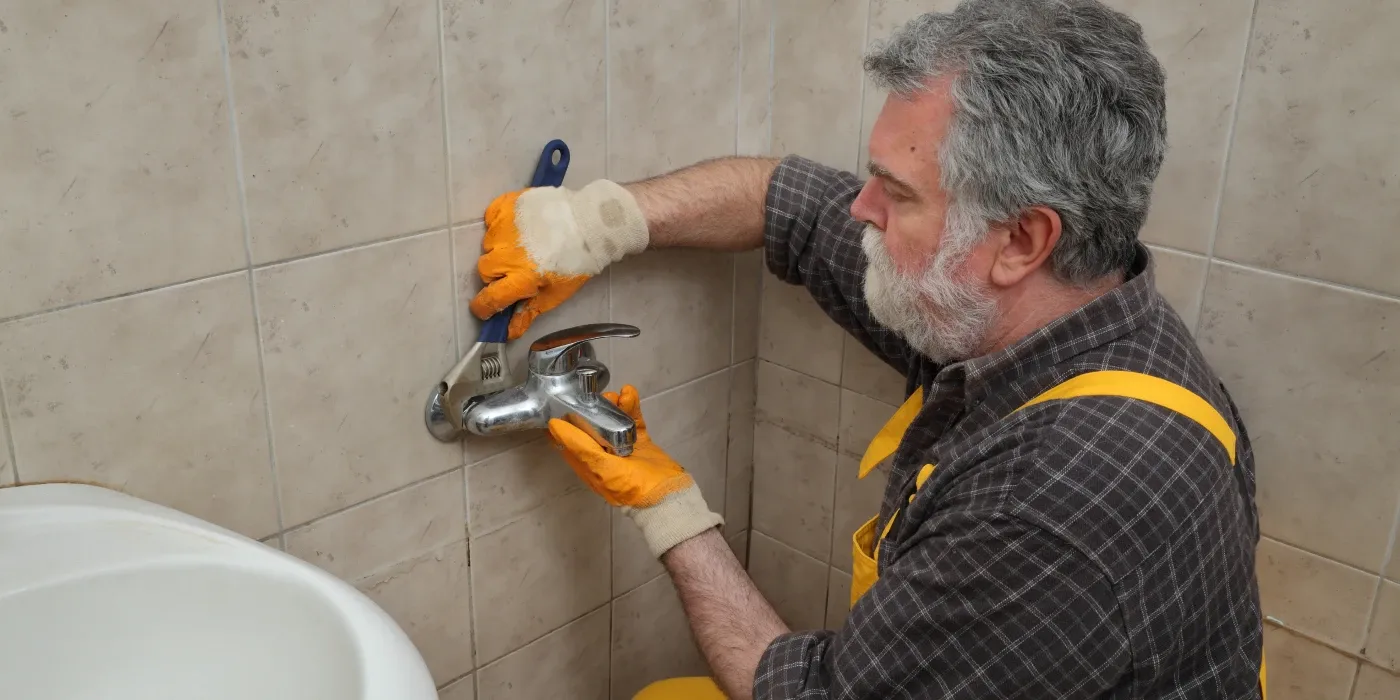
Commercial gear can feel like overkill in those moments. If you only own large tools, you’ll miss opportunities to save time and avoid damage. The smart play is a tiered kit. Keep the small, precise tools within reach. Stage the heavy hitters in the van or at the shop, ready for https://theleanderplumber-company.com the calls that justify them.
Budgeting for upgrades
When money is tight, upgrade tools that prevent rework first. In plumbing, that often means better measuring and inspection, then joining systems, then cutting. A laser level that holds a line across a long wall stops drain slope errors. An improved camera identifies belly locations so you cut once. A press system reduces callbacks from marginal sweat joints in damp walls. Only then buy the shiny specialty tool you want for rare jobs.
If you’re on the edge between residential plumbing tools and commercial plumbing tools, consider a mixed purchase: a mid-tier press tool that accepts rental jaws for larger sizes, or a camera with modular heads that can be upgraded. This hedges your risk while you test the market.
What a balanced kit looks like
Here is a compact comparison that mirrors real truck shelves, not a catalog fantasy.
- Core residential kit: compact press tool with 1/2 to 1-inch jaws, PEX crimp or clamp tool, close-quarters copper cutter, ratcheting PVC cutter, handheld drain auger, 12-volt drill/driver, oscillating tool, small torch, manometer, basic inspection camera, wet-dry vac, drop cloths and surface protection. Core commercial service kit: heavy-duty press tool up to 2 inches, access to 2- to 4-inch jaws via rental, portable band saw, chain vises and stands, SDS Max rotary hammer, mainline drain machine with 5/8-inch cable, access to jetter, advanced inspection camera with locator, backflow test kit, digital manometers, laser level, tripod work lights, power threader availability.
Neither list is exhaustive. They point to a philosophy: buy what you use weekly, rent what you use monthly, and borrow or subcontract what you touch yearly. The right tool in the wrong hands loses money. The wrong tool in the right hands causes damage. The right tool in trained hands is a profit center.
Final thoughts from the field
Whether you’re a plumber focused on homes or a service tech who lives in mechanical rooms, the tools you carry reflect the problems you solve. Residential jobs reward agility, cleanliness, and finish-friendly gear. Commercial work pays for iron, documentation, and uptime. The gap between residential plumbing tools and commercial plumbing tools isn’t just price or size, it’s purpose.
When you choose gear, imagine the worst day you’ll put it through, not the best. If a tool survives your worst, it’s ready. If not, it belongs in the rental catalog. And when a new tool promises to flatten your learning curve, take the class, read the manual, and practice on scrap. The best Plumbing projects are the ones that feel routine because your tools and your habits did the hard work before you ever cut a pipe.
THE LEANDER PLUMBER - COMPANY 1789 S Bagdad Rd #103, Leander, TX 78641 (737) 530-8021